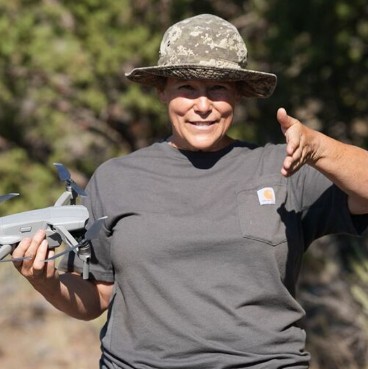
Reese Mercer
Beaver Ecologist | Conservation Practitioner | Program Director
Professional Background
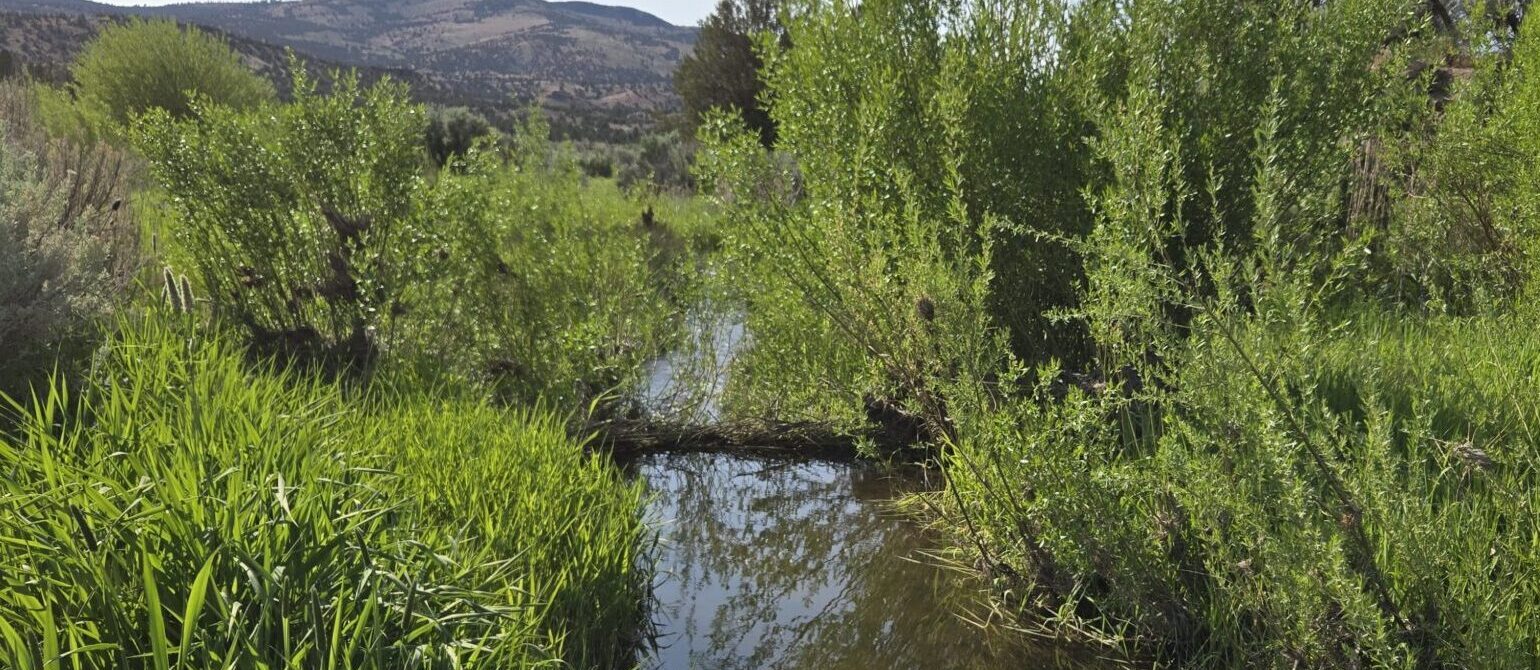
Reese Mercer is Program Director of Western Beavers Cooperative. She is driven by a vision of beavers returning and flourishing across Eastern Oregon’s streams and working landscapes. Her work is grounded in the understanding that the people who live and work on these lands are central to making that future possible.
For nearly a decade, she has built her expertise through thousands of hours of field observation and applied restoration work, learning from landowners and local practitioners who know these places best, alongside experienced restoration ecologists, hydrologists, biologists, agency professionals, and university researchers.
Her work ranges from site-level restoration and community engagement to watershed-scale assessments and planning. She has planned and led watershed assessments and multiyear stream restoration efforts, bringing field observations into practical decisions about where habitat recovery can support both long-term beaver persistence and landowner goals.
Reese serves on the Board of Directors of the Beaver Institute and is a BeaverCorps Wetland Professional. She founded Beaver Works Oregon and co-founded Think Wild, reflecting a longstanding commitment to wildlife conservation and community-based solutions.
Connecting the Pieces
Reese brings a systems-level perspective to conservation, recognizing the connections between ecological conditions, land management, organizations, and the decisions that shape what happens on the ground. She identifies limiting factors, recognizes opportunities, builds relationships, and translates field observations into practical action.
She favors thoughtful but nimble approaches, pairing ecological assessment with field testing, learning from results, and adapting as conditions change. This can include practical infrastructure measures to mitigate beaver/infrastructure conflicts, with an emphasis on using available resources well and avoiding unnecessary complexity or cost.
Taking the Long View
Years of observing changing stream conditions, restoration efforts, and the return of beavers have shown Reese that ecological recovery takes patience, persistence, and a willingness to adapt. Landscapes can respond remarkably well when given the opportunity, but building the conditions for lasting beaver occupancy can take years or even generations.
That perspective also shapes how she works with people. Lasting solutions grow from local knowledge, relationships, shared interests, and the practical realities of working lands.