How We Work
Western Beavers Cooperative works with agencies, landowners, and local partners to support beaver persistence at the scale that matters most: watersheds and communities.
Our role is to help partners make better decisions about where, when, and how beaver-based restoration efforts are most likely to succeed — based on field conditions, local values, and a realistic understanding of how beavers recolonize landscapes over time.
We do this work cooperatively, grounded in place, and with a long view.
Aligning Strategy With On-the-Ground Reality
Beaver-based restoration works best when investments align with real ecological and social conditions. Western Beavers often enters work on the front end of planning, helping agencies and partners understand:
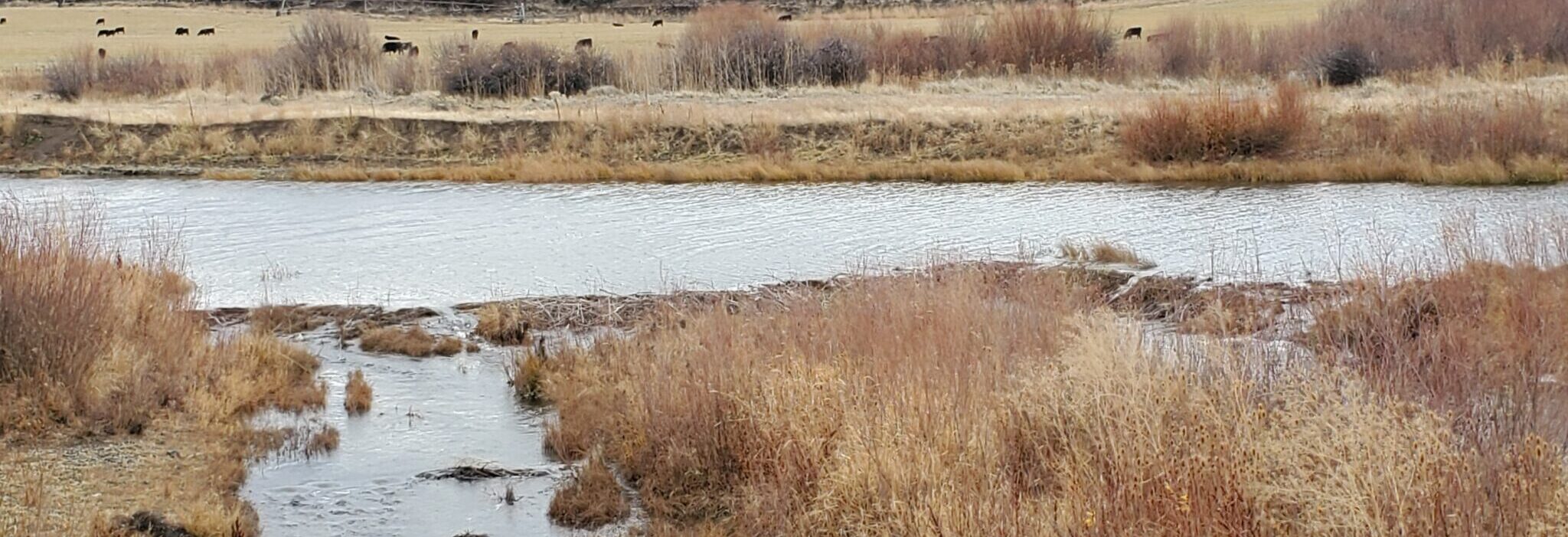
- Where beavers are already present and persisting
- Where conditions could support future occupancy
- Where readiness is still developing and patience is needed
In some cases, we step in mid-stream — when restoration work is underway but beavers have not yet appeared. In those moments, our role is to help clarify what may be limiting success and how efforts might be better sequenced or adjusted.
This early, grounded understanding helps partners invest more strategically and avoid misplaced or premature actions.
Building Understanding From the Ground Up
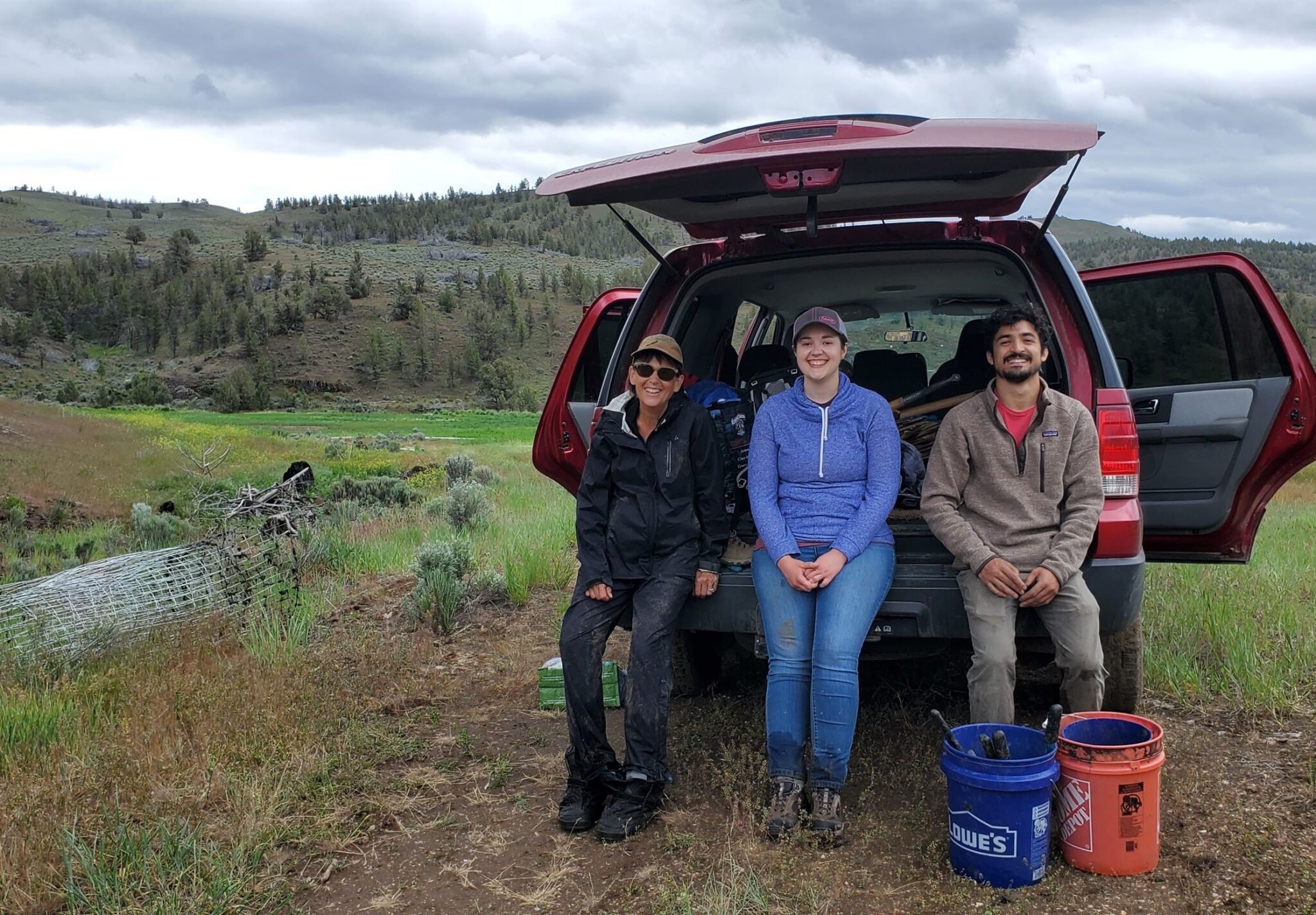
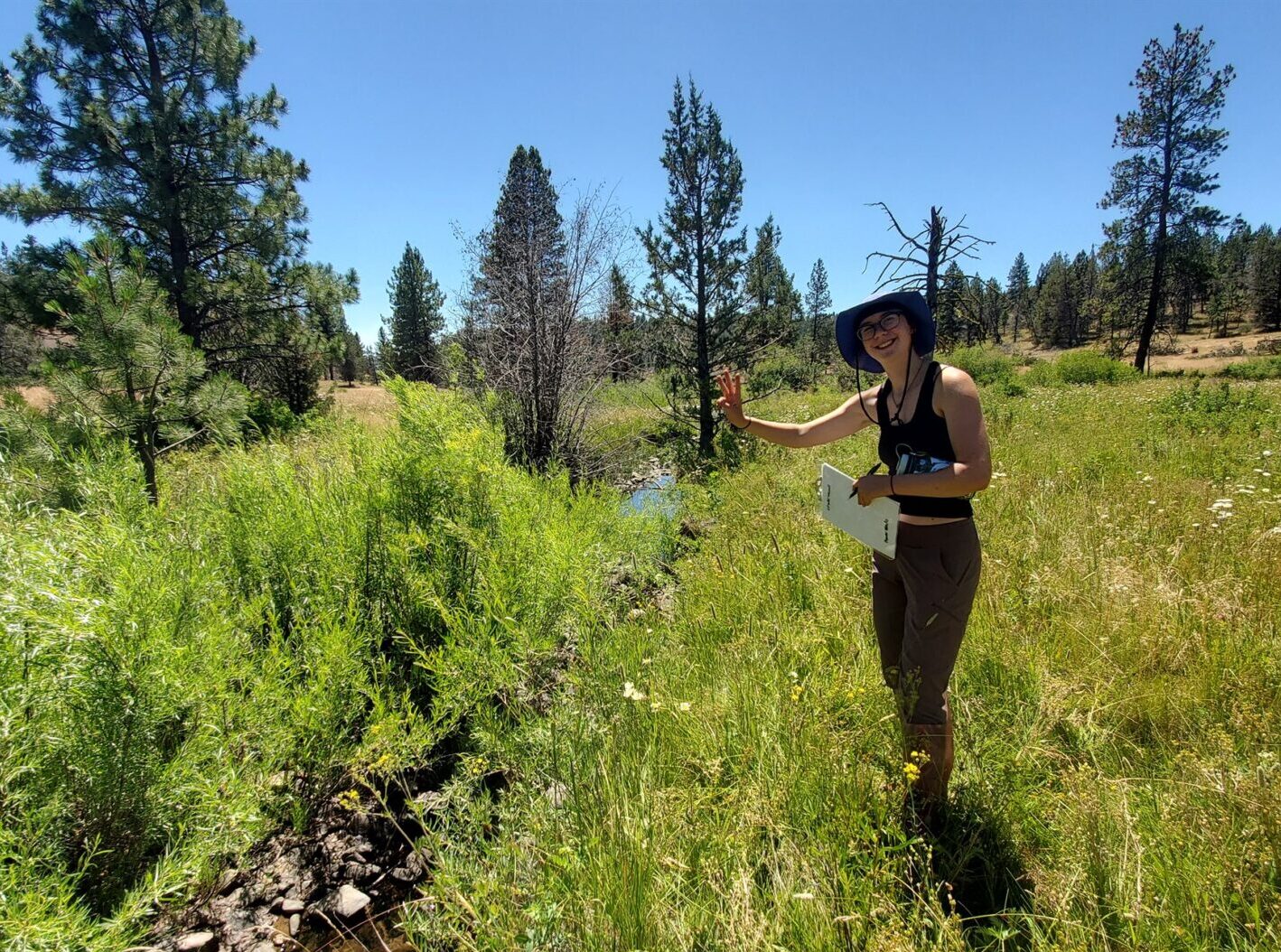
Our work starts in the field.
Western Beavers conducts beaver occupancy surveys and monitoring to understand how beavers are using a watershed — reach by reach and over time. Using tools such as the Beaver Strongholds Framework, we help translate field observations into insight that supports planning, prioritization, and shared understanding.
This field-based perspective helps shift conversations from short-term expectations to long-term persistence — and from isolated sites to connected systems.
Working Cooperatively With Communities
Strategic decisions only hold when communities are part of the process. Western Beavers works alongside landowners, local practitioners, and agency staff to build community readiness — the shared understanding, tolerance, and capacity needed for beavers to return and persist.
For landowners, this often means clarifying how day-to-day management decisions influence beaver recolonization and identifying options that align with existing operations. For agencies, it means having better tools and language to engage communities honestly around timelines, tradeoffs, and expectations.
In many cases, our role is to slow things down just enough to get them right — bringing people into alignment before work moves forward.
A Long View, With Clear Boundaries
Beavers shaped these landscapes for thousands of years before their near removal less than two centuries ago. Recovery does not follow funding cycles or project timelines.
Western Beavers takes a long view — focused on persistence, future generations, and watershed-scale resilience. We support beavers by supporting the conditions that allow them to do their work, rather than trying to replace it.
We are also clear about our role. We do not relocate beavers, force outcomes, or override local priorities. Our work is about readiness, informed decision-making, and cooperation over time.
That is how durable change takes root.
Agency Services · Landowner Services · The Cooperative · On the Ground