Western Beavers Cooperative works at the intersection of land, people, and practice — learning from the land and each other to support beavers and resilient working landscapes across the Oregon high desert.
We work with landowners, agencies, and local partners to support beaver persistence across eastern Oregon watersheds. Our approach is cooperative by practice, grounded in field observation, local knowledge, long-term thinking and shared learnings.
This work is shaped locally, not delivered from a central office.
What Makes Us a Cooperative
A cooperative approach means we don’t arrive with a pre-set solution.
Instead, we work alongside people who know their land and water best to understand what’s already happening, what’s possible next, and what timelines make sense. Decisions are shaped at the watershed scale, informed by land management realities, beaver ecology, and local values.
Cooperation, for us, means shared learning, shared responsibility, and shared ownership of outcomes.
How We Work
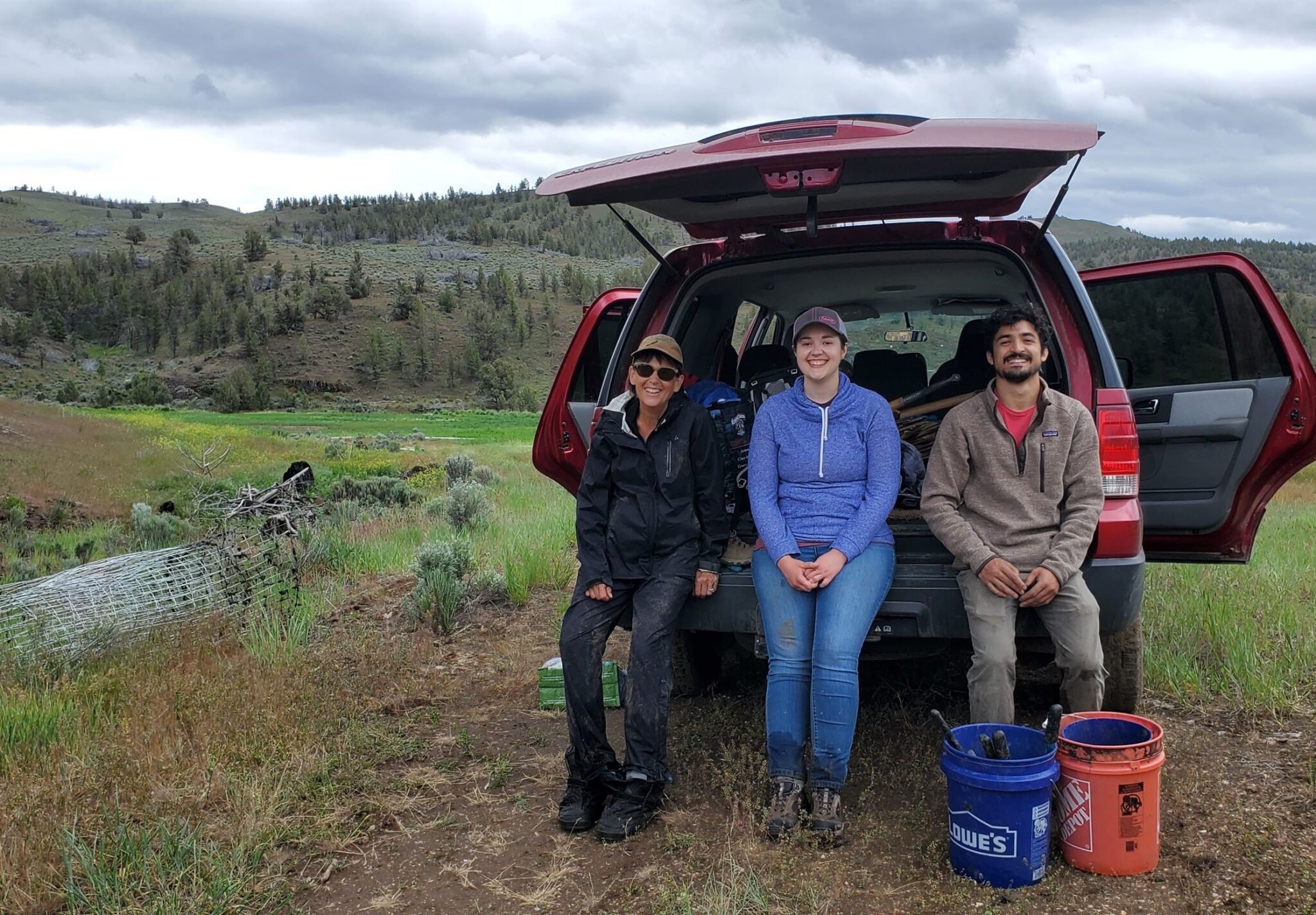
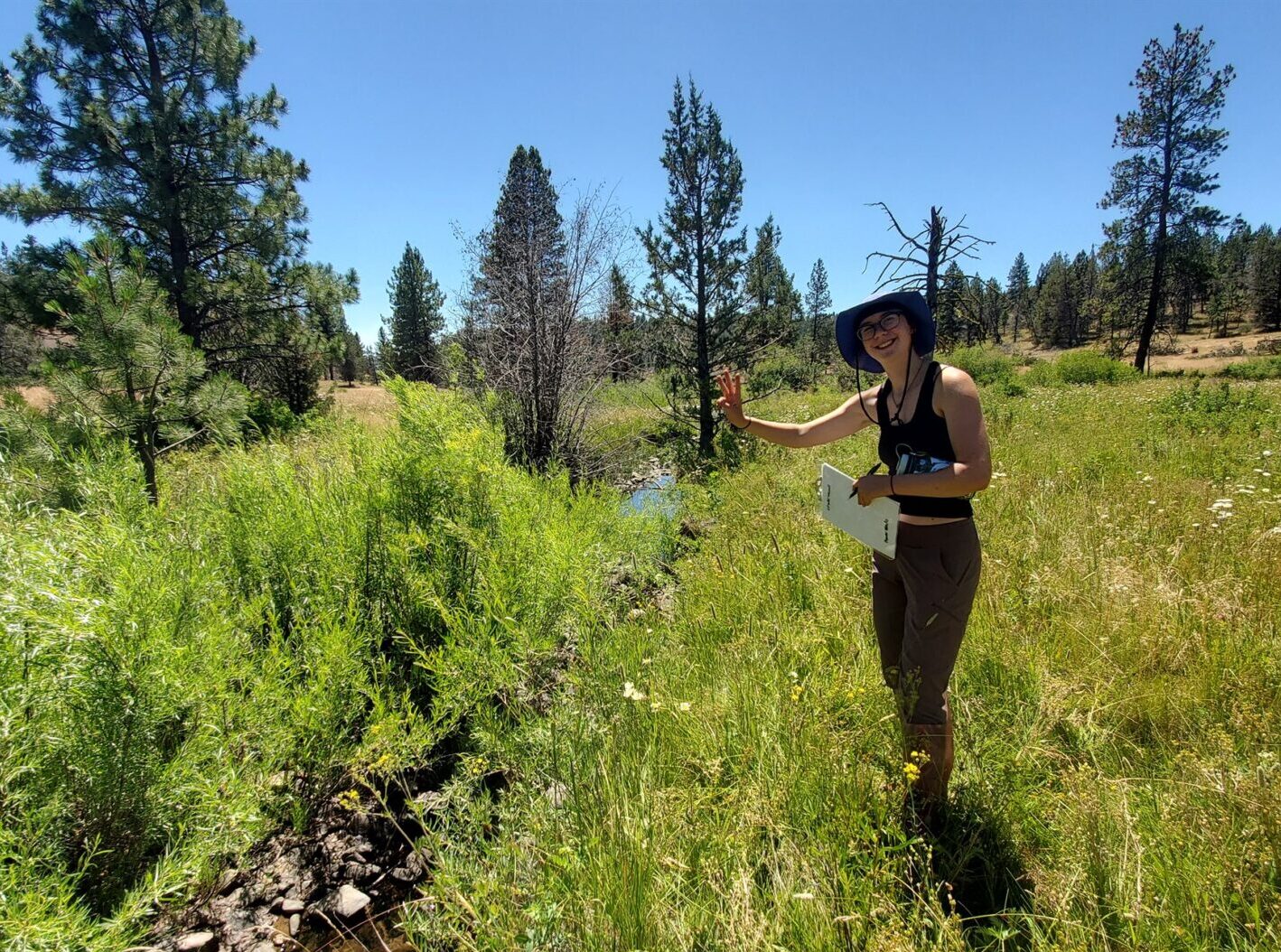
Our work starts on the ground. We assess beaver occupancy, habitat conditions, and watershed connectivity to help landowners and agencies understand where beavers are persisting, where conditions could support future success, and where patience or preparation is needed first.
This helps landowners make informed decisions and helps agencies place restoration investments where they are most likely to endure.
Why This Work Matters
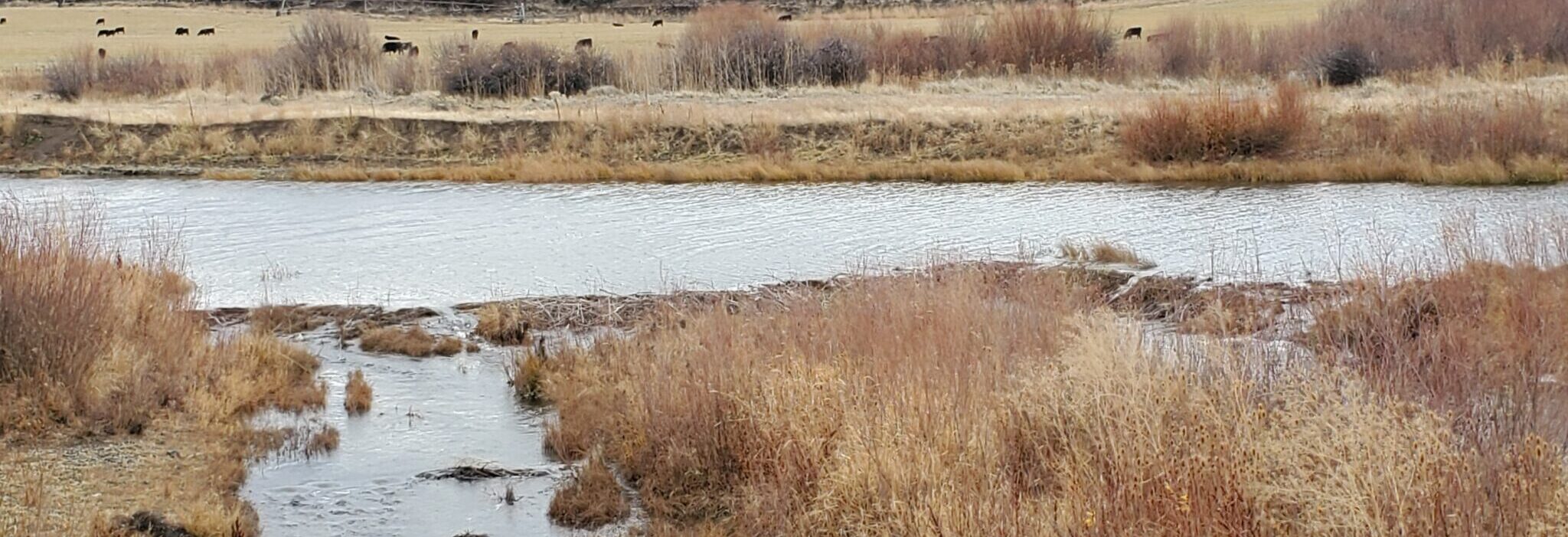
In Eastern Oregon, streams and riparian areas are shaped by long dry spells, intense grazing pressure, and complex water conditions. Beaver activities were once foundational in building wetlands, reconnecting floodplains, storing water, and supporting habitat diversity across whole watersheds.
Today, beaver resurgence is patchy — and it succeeds where landscapes and communities are ready. Recovery doesn’t happen through isolated or top-down efforts. It happens through strategic, locally driven work at the scale of watersheds and communities.
We’re not here to parachute in solutions. We’re here to help communities make space for beavers — in decisions, in planning, and in everyday stewardship — so that change is durable and self-reinforcing.
Looking Ahead
By 2041, we envision flourishing, beaver-supported HUC12 riverscapes shaped by local leadership, local capacity, and community-led decision-making — not imported solutions.
That’s the work we’re building toward.
Western Beavers is a grassroots-led campaign working to support landowners and beavers on Eastern Oregon landscapes by combining scientific expertise and extensive field experience as a vehicle for collaboration between diverse private and public land owners and land managers, as well as natural resource agencies and academic researchers. The aim of this collaboration is the application of science-based best practices to create habitat conditions conducive to the success of natural beaver recolonization.
The Cooperative provides resources, technical advice and sharing of ideas, 'beaver learnings' and best practices that include:
- Outreach and educational materials such as handouts, workshops, webinars, and more.
- DIY solutions to address problem beaver situations
- Stream surveys and beaver inventories
- Habitat assessments and recommendations to give beavers what they need to succeed
- Tapping creative funding sources
.
> Learn more about our Agency Resources
Two hundred years ago, it took only two decades for beavers to be nearly wiped from the Western watersheds following an intentional eradication campaign from 1823 to 1841. (Learn about this "Fur Desert" policy, from historian Jennifer Ott at "Ruining the Rivers of Snake Country".) Western Beavers works to address this historical wrong by welding together organic community connections with concrete solutions on the landscape.
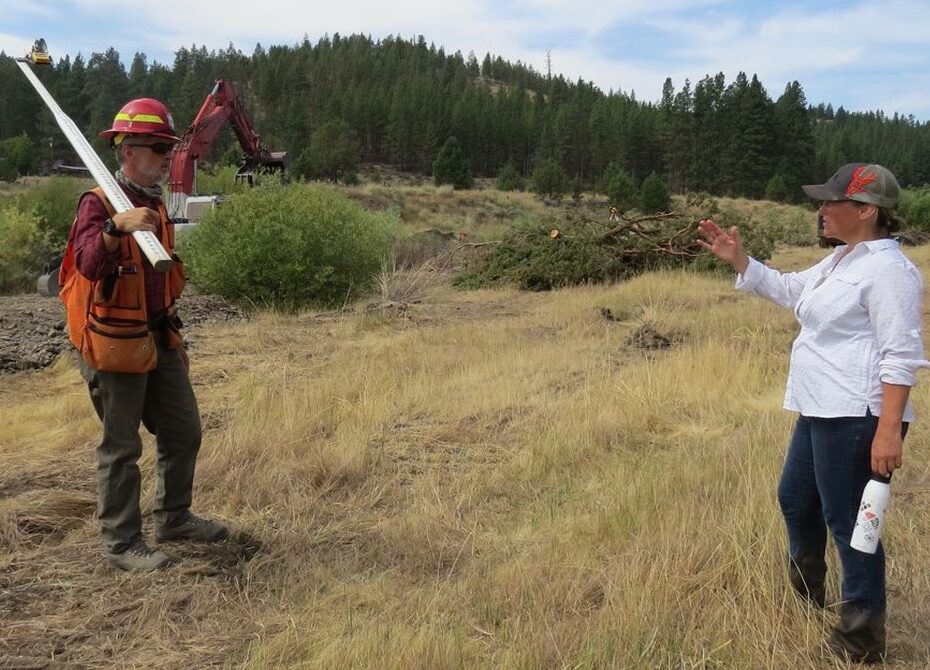
The Cooperative was started by Reese Mercer, a Beaver Corps Wetlands Professional, Board Director of the Beaver Institute and founder of the Beaver Works program, born from her love for Eastern Oregon landscapes, its people and communities.
Western Beavers is guided by an Advisory Committee of working landowners, practitioners, and technical experts who contribute place-based insight and long-term perspective to our work.